Sword of the Sea - Accessibility Spotlight
Explore Giant Squid’s newest story, Sword of the Sea — a timeless adventure where the Wraith awakens in a barren land and sets out to return the world to the sea.

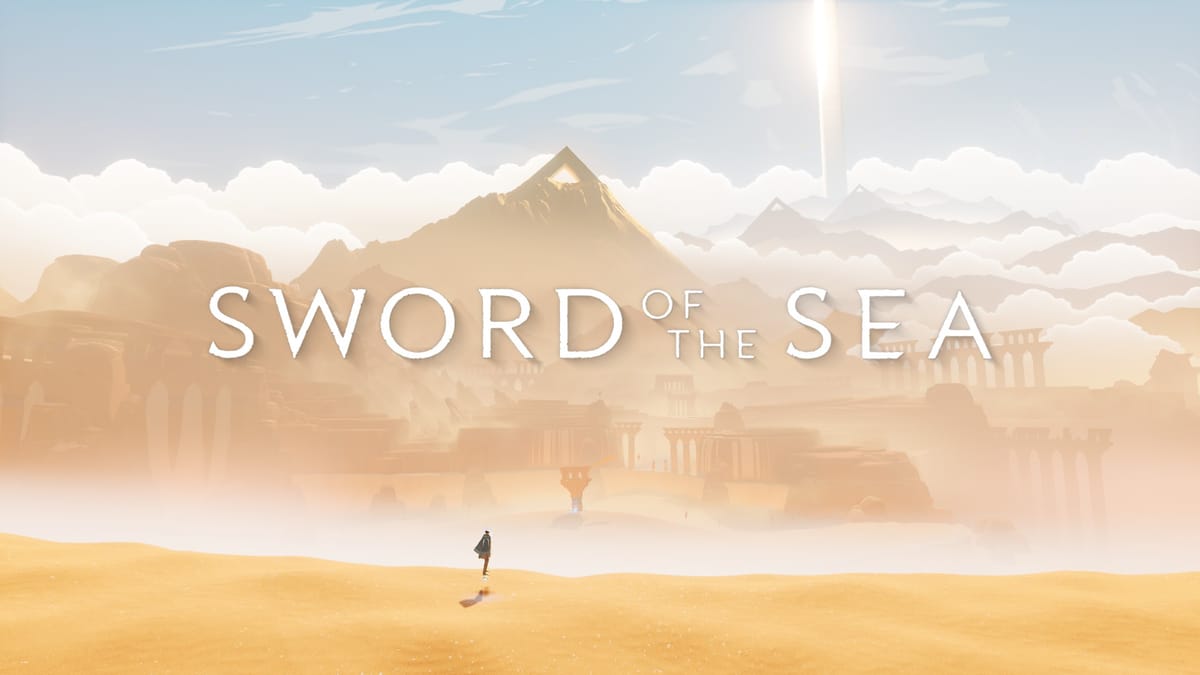
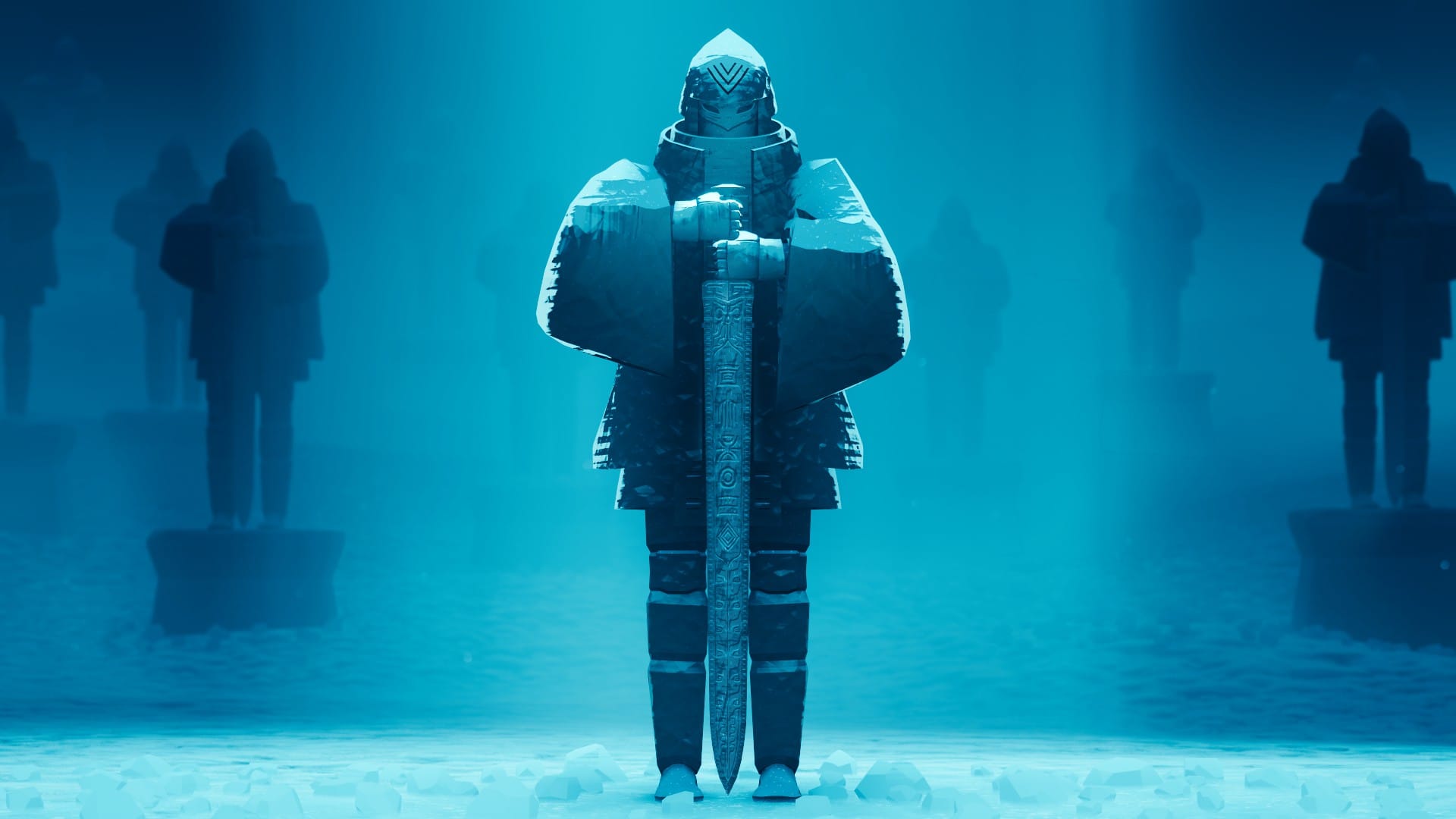
Awaken in the sleeping world of Sword of the Sea, where the Cycle is frozen and nothing lives or dies. The desert hides relics of a bygone age, left to sink beneath the dunes and nearly forgotten. The Wraith, the titular character, lies dormant among other sentinels until a single drop of water falls from a stalactite, stirring them awake. Their journey begins as they step onto their sword and leave the cave, realizing their mission: to transform an arid desert back into flowing sea, and restart the Cycle where both life and death can flourish once more.
Developed by Giant Squid, Sword of the Sea is breathtaking game infused with beauty, filled with stunning landscapes of desert and ocean. It is a masterclass in environmental storytelling—layered with thoughtful accessibility features.
Starting Accessibility
At first glance, the Settings menu may look sparse, but don’t be fooled—Sword of the Sea quietly packs in impressive accessibility.
One standout is the Persistent Dot option, which we strongly recommend enabling. If you experience motion sickness, this feature is invaluable, because everything in the game moves—even when the Wraith stands still. The constant shifting can cause nausea. The Persistent Dot grounds your perspective, making sword-gliding smoother.
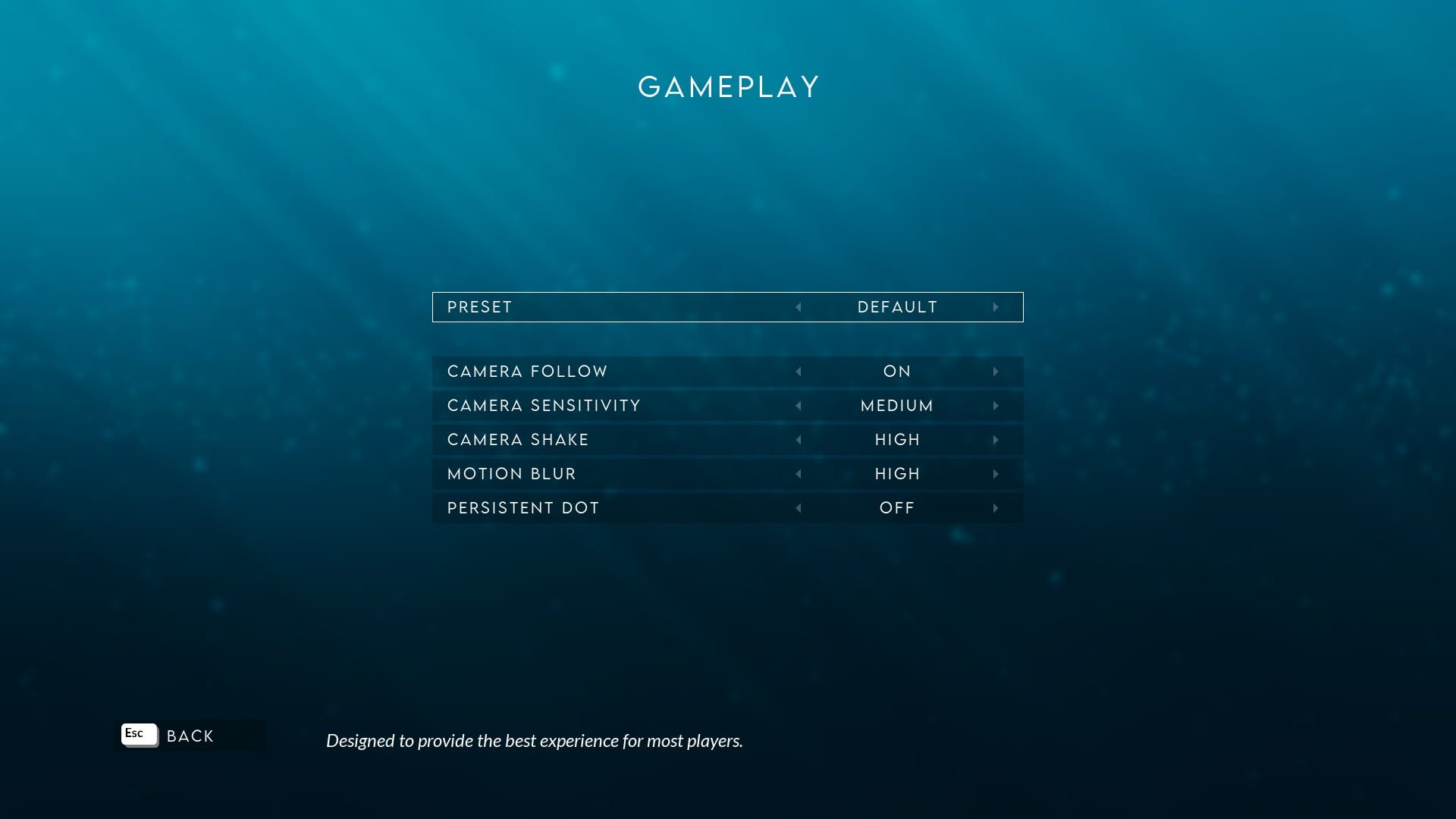
Other options include full controller and keyboard remapping (perfect for mobility needs or secondary input devices), the ability to disable controller rumble, and graphics settings to reduce screen intensity and screen-shake.
Visual Accessibility
Folks, it can’t be overstated: Sword of the Sea is picturesque. Every environment feels alive and worth capturing. There’s no such thing as “empty space”. We often found ourselves pausing just to take screenshots.
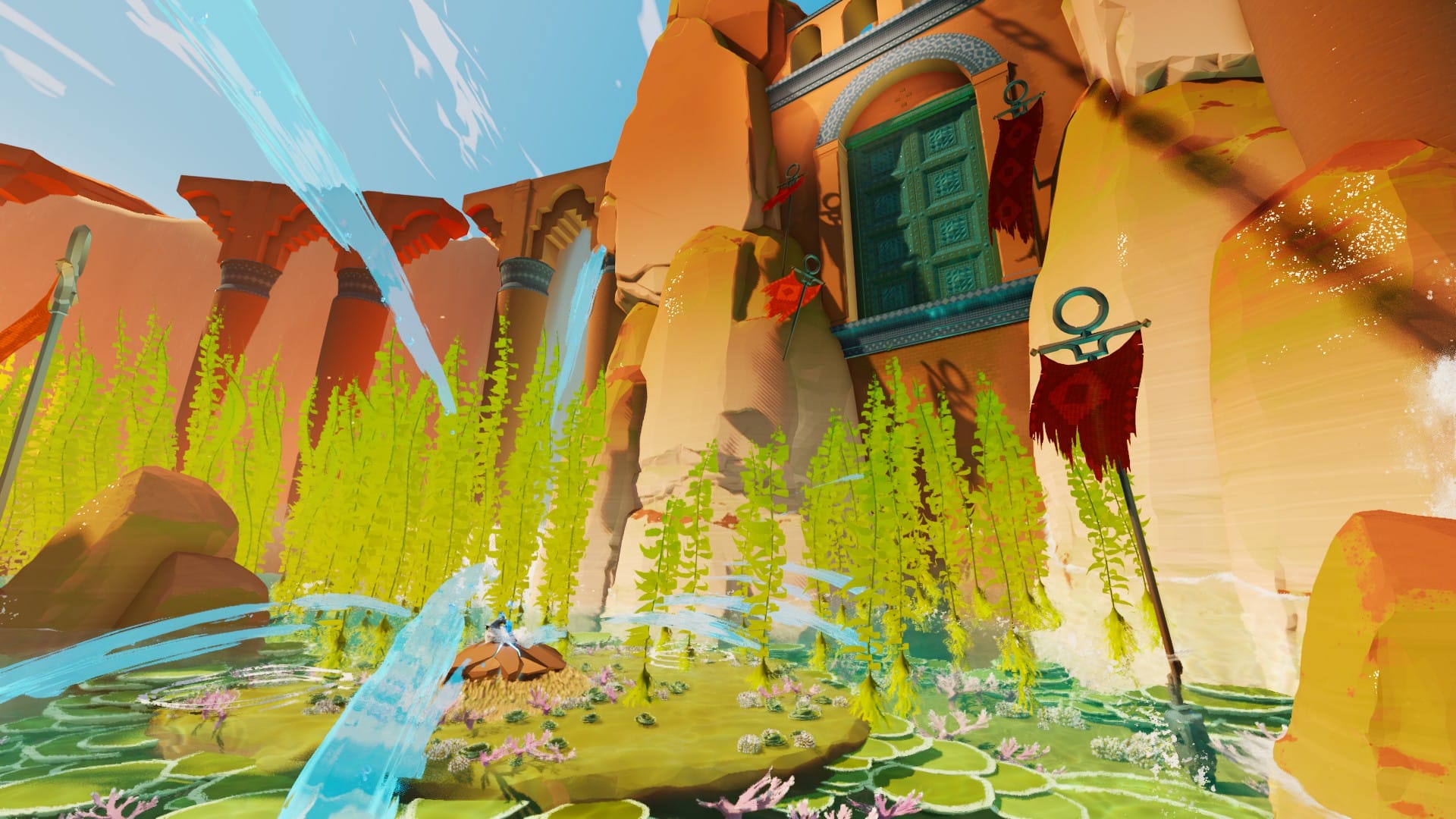
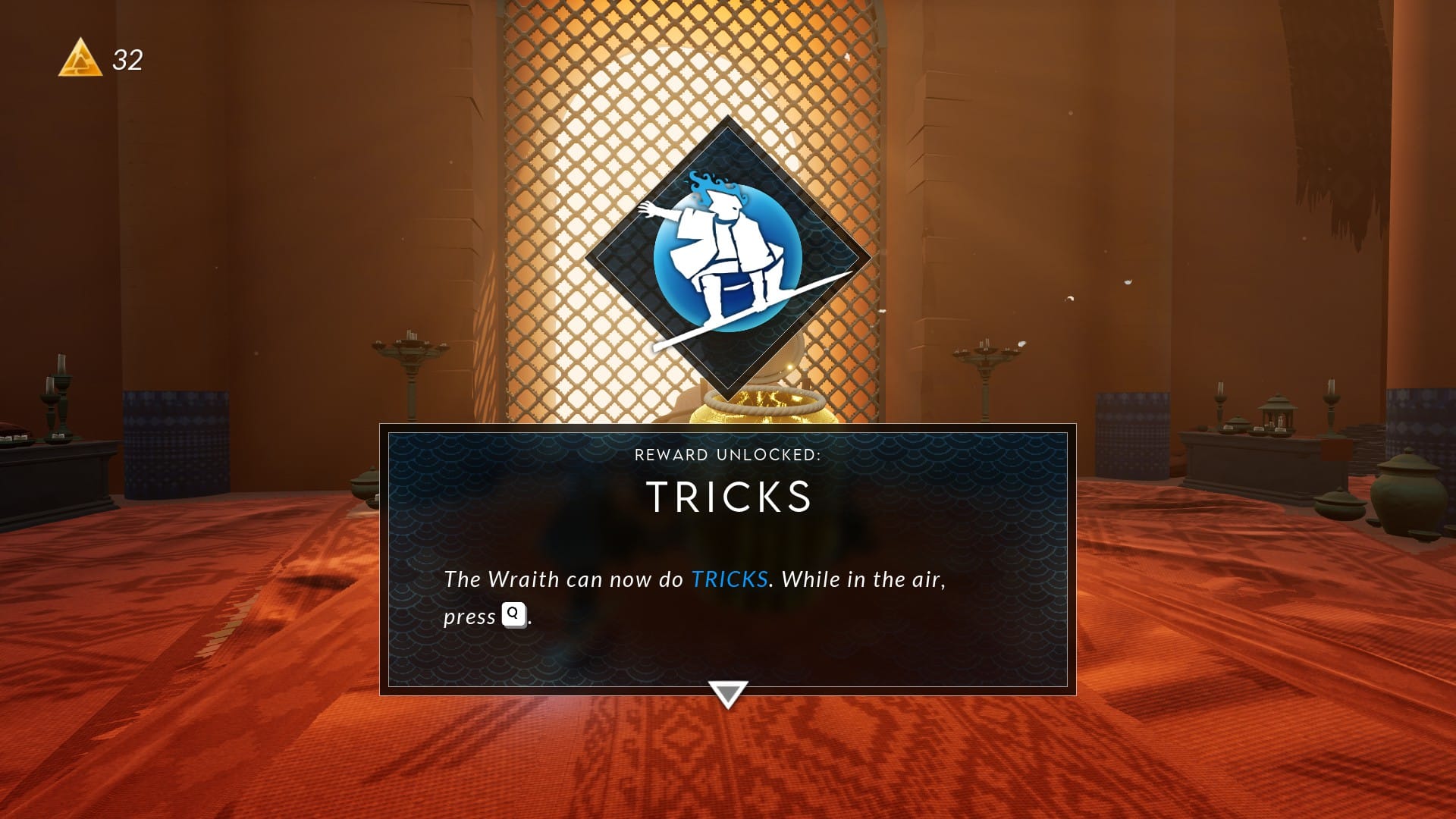
The game notably has no HUD, which might sound intimidating but instead fosters exploration and immersion. Early on, after learning your first sword trick, a small HUD element appears to track coins, but otherwise the screen remainds free of clutter.
If the wave-like motion becomes overwhelming, once again, the Persistent Dot is your friend—it makes an enormous difference for visual comfort.
Mobility Accessibility
The gameplay is designed to be simple and approachable. The tutorial eases players in with clear, streamlined instructions. There are no button-mashing sequences; most actions rely on push-and-hold inputs, such as jumping or gliding. That said, extended button-holds (e.g. floating on seaweed to reach higher platforms) may become tiring over long play sessions.
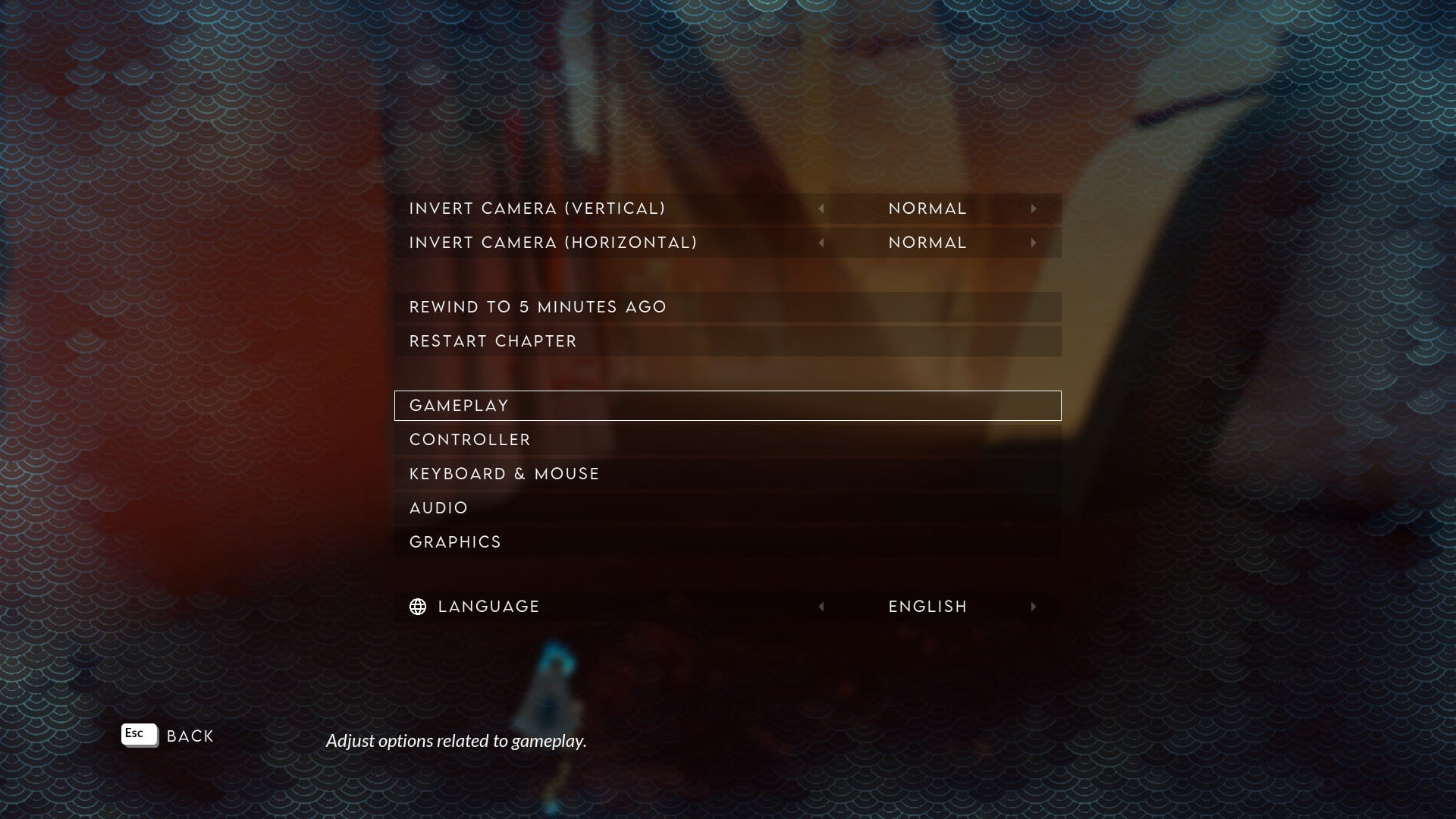
Mobility support also includes remapping, adjustable camera sensitivity, inversion options, and the ability to turn off rumble and screen-shake. The only notable mobility hurdle is the final boss fight, which features a few QTEs. Thankfully, these are very forgiving and only require pressing the right button. There’s also some light platforming, such as jumping between jellyfish that bounce you upwards, which does require a degree of precision to land successfully.
Auditory Accessibility
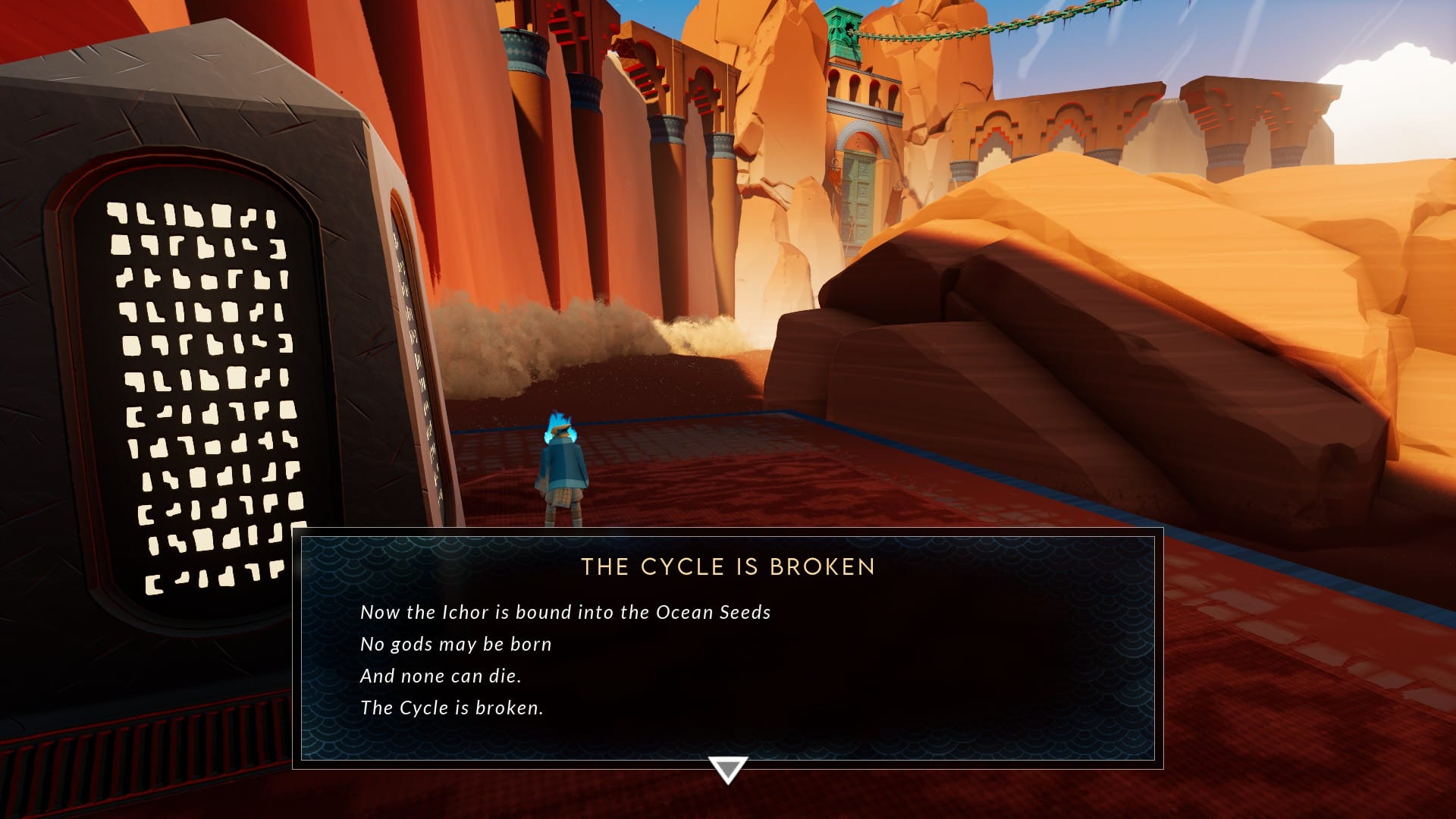
Sword of the Sea is largely nonverbal. The game features orchestral music but no voice acting, meaning hearing is not required to play! Small pieces of lore are delivered via text boxes when interacting with glowing obelisks, but no auditory cues are critical to progression.
Cognitive Accessibility
This is where Sword of the Sea truly shines. With no HUD, map, or complex systems, the game offers remarkable freedom and low-pressure exploration. There are no deaths or punishments—fall off the edge of the world and you’re simply reset to a safe spot. Play entirely at your own pace without fear of losing progress. And with features like Rewind To 5 Minutes Ago or Restart Chapter, you can revisit favorite cutscenes or replay areas whenever you like.
This design encourages a calm, curiosity-driven play, making it highly accessible for those who benefit from reduced cognitive load.
From Desert To Sea
Giant Squid continues its tradition of creating simple yet profound experiences. Like ABZÛ and Journey, Sword of the Sea carries deep themes beneath its elegance. It is both a love letter to the desert and the sea, melding Journey’s vast sands with ABZÛ’s underwater splendor.
At its heart, the game is about renewal. The desert kingdoms buried beneath the dunes await rediscovery, as the Cycle of life begins anew. Stagnation breaks, life flows, and beauty returns—not in spite of death, but because of it. Life is fleeting, and in that transience lies its wonder.
Unlock More With Your Personal Score™
Wondering how well Sword of the Sea might work for your specific accessibility needs? The AbleToPlay team has your back!
Create your free account today to get your Personal Score™ for Sword of the Sea and thousands of other games. AbleToPlay matches you to games based on your unique accessibility needs and preferences, helping you make informed gaming decisions before you play – for free.
Check out all the accessibility features in Sword of the Sea and see your Personal Score™ now!