Creator Spotlight: pinkfairyblossom
We chat with Chayenne, also known as pinkfairyblossom, in our Creator Spotlight interview series.

Tess: Welcome to the Creator Spotlight—a new series from the team at AbleToPlay! The Creator Spotlight is an initiative from the team at AbleToPlay where we shine a light on awesome content creators in our accessible gaming community. Today, we’re joined by Chayenne, also known as pinkfairyblossom. Thank you so much for being here today, and for your willingness to share your story with us. To start us off—Chayenne, can you tell us about yourself and your journey to becoming a content creator?
Chayenne: Hi! I’m Chay, a variety fairy-core streamer from Puerto Rico, a cozy content creator, and mental health advocate.
My journey to becoming a content creator started from a deep love of storytelling, games, and building an inclusive space where people feel safe to be themselves. I grew up moving around a lot, which made me value community and connection—things I now bring into my content. After being diagnosed with C-PTSD, I created my channel, The Garden, as a safe space where I could heal and grow. From there, I wanted to extend that feeling to others—making sure my corner of the internet is a place where people feel seen, supported, and valued.
I began streaming and sharing my experiences to raise awareness about mental health and to encourage kindness and empathy online. Over time, my channel has grown into a warm, welcoming place where we celebrate everything cozy, from soft gaming to uplifting conversations. My love for animals also shines through on my channel, where I raise awareness for animal adoption and share the stories of my rescue cats using channel points, along with random kitty lore about their journeys and personalities!

I’m incredibly grateful that this mission has resonated with so many people, helping my channel grow to the point where I’ve been honored with three awards: the 2024 and 2025 Mental Health Advocate Awards, and the 2025 GAMEHER Award Advocacy for Representation. I’ve accomplished all of this in just a year, going on two, and this is only the beginning!
Tess: Woah! That’s amazing! GAMEHER is a massive community for women and marginalized genders to connect through gaming, so a huge congratulations on winning the 2025 award! You mentioned being diagnosed with C-PTSD and how that experience motivated you to create The Garden. Can you share more about how your diagnosis led to a deeper involvement in the gaming disability community?
Chayenne: My involvement with the gaming disability community came naturally through sharing my own story. After being diagnosed with C-PTSD and a chronic anxiety disorder, I realized how important it was to talk openly about the ways disability can shape our gaming experiences. I wanted to make sure my community felt seen and heard—especially people who might feel overlooked in traditional gaming spaces.
Through my streams and conversations, I started connecting with other disabled gamers and advocates who were passionate about accessibility, mental health, and creating inclusive environments. It grew from there, sharing resources, collaborating on awareness projects, and highlighting how cozy gaming and accessibility can go hand in hand.
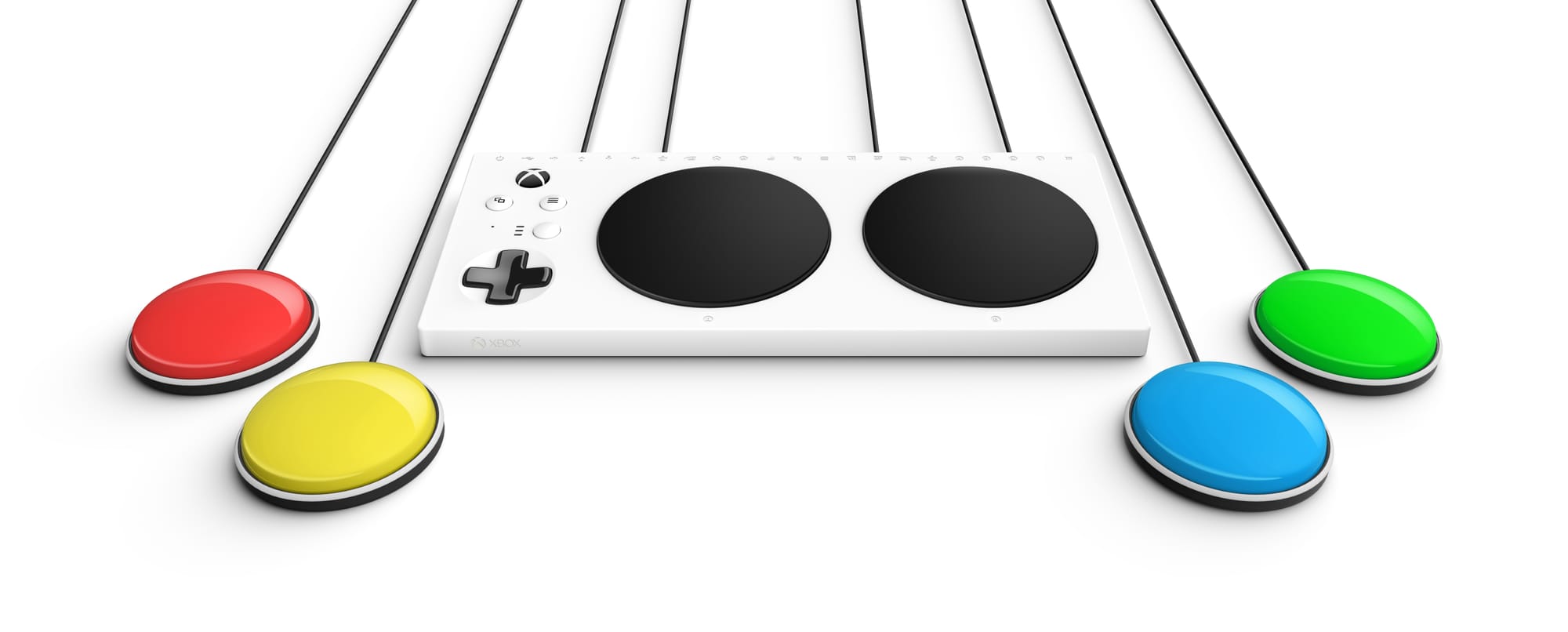
I was even invited to lead a workshop panel for the Gaming League of Women (GLOW), where I spoke about disability in gaming, and shared tools—like the Xbox Adaptive Controller, Blue-light Blocking Glasses, and f.lux—that can help people who need extra support to enjoy gaming fully. My goal has always been to help break down stigma, build empathy, and remind people that everyone deserves a safe, joyful place to play and belong.
Tess: Disability absolutely shapes your gaming experience! As a Deaf gamer myself, I’ve often been frustrated by games with tiny subtitles, or worse—no way to adjust them at all! It’s genuinely disheartening. How does your disability impact your gaming experience?
Chayenne: Living with C-PTSD and a chronic anxiety disorder definitely affects the way I experience games. Sometimes overstimulation, intense visuals, or loud, sudden noises can feel overwhelming—or even triggering. I have to be mindful of the kinds of games I play and the settings I use, like adjusting brightness, volume, or gameplay pace to make sure I’m comfortable and safe. There are also days when my anxiety makes it hard to focus, or even feel motivated to play at all. That’s why cozy and accessible games have become so important to me; they create a sense of calm, routine, and positive distraction that helps me manage symptoms.
Overall, my disability has taught me to approach gaming with more intention and compassion, both for myself and for others, and it’s pushed me to advocate for more inclusive, accessible options in the gaming world.
Tess: Yes! I love it when games offer options like adjustable brightness, volume, and pacing—features like pausing or playing without time pressure makes a world of difference. Being able to tailor the gameplay to your needs is crucial. Since you’re so passionate about creating a cozy, welcoming community that resonates with disabled gamers, what do you hope they take away from their gaming experience?
Chayenne: I truly hope people see gaming as a place to belong, to heal, and to feel safe. For disabled gamers, gaming can be so much more than just a hobby—it can be a lifeline, a space where we find freedom, creativity, and meaningful connection when the outside world feels overwhelming.
I hope people walk away from gaming feeling seen, valued, and inspired to share their own stories. I want them to know they matter, and that there is room for them here, no matter what challenges or barriers they face. Everyone deserves accessible tools and welcoming communities that allow them to play and dream without fear or shame.
At the end of the day, I hope gaming reminds people that they are worthy of joy, comfort, and moments of magic; that—no matter what they’re carrying—they have a place to land, just like The Garden became for me and so many others.

Tess: That’s a wonderful message. People want to be seen. Do you feel that anything is missing when it comes to the conversation around accessible gaming?
Chayenne: I think there’s still a big gap when it comes to centering disabled voices in the conversation. Too often, accessibility is talked about as an afterthought or as a checklist instead of involving disabled gamers from the very beginning of design and community-building. We deserve to be part of those creative decisions, not just consulted at the end.
There’s also a need for more empathy in these conversations, acknowledging that accessibility is not one-size-fits-all, and that disabilities are complex and layered. The conversation should go beyond hardware or game settings and talk more about how to build truly inclusive spaces where disabled gamers feel welcome, respected, and celebrated.
I’d love to see more platforms actively uplifting disabled creators, supporting our advocacy, and giving us a seat at the table to shape the future of gaming. Only then can the conversation move from simply “accessible” to genuinely equitable. For example, studios could build advisory boards of disabled gamers from diverse backgrounds to test features, consult on storylines, and provide feedback before a game even launches. That would be a meaningful step toward true inclusion.
Tess: The idea of a “100% accessible game” is a myth; and as you aptly put, “disabilities are complex and layered.” We live in a world where disability intersectionality exists, and it’s impossible to account for every variable. But having said that, is there a game you love that’s accessible for you? What did they do well when it comes to accessibility?
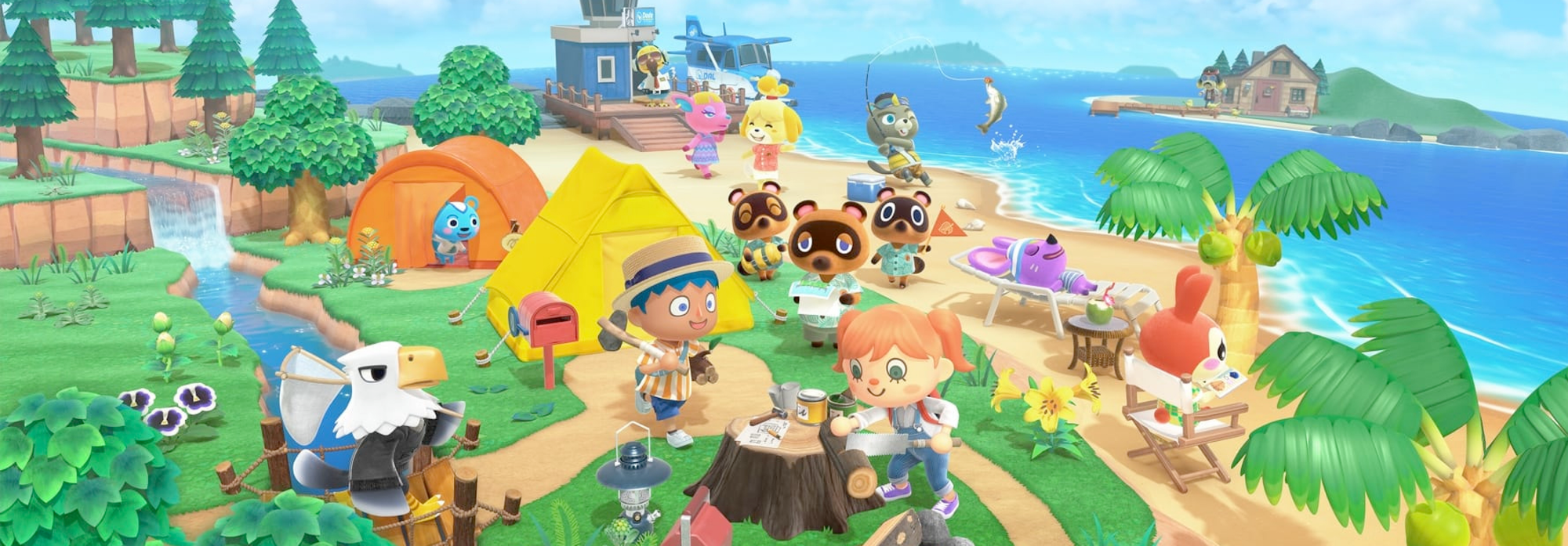
Chayenne: One game I really love is Animal Crossing: New Horizons. It has been so accessible for me because of its gentle pace, soft visuals, and calming sound design, which help me manage my C-PTSD and chronic anxiety disorder. The game gives you freedom to play at your own speed without harsh time pressures, which is so important for players who might be easily overwhelmed or triggered. It also offers intuitive controls and a simple user interface, making it approachable even on difficult mental health days. There’s a huge sense of choice and autonomy—I can fish, decorate, talk to villagers, or just wander around, which helps me feel grounded and safe.
I think Animal Crossing does accessibility well by prioritizing comfort, flexibility, and emotional safety, proving that cozy games can be incredibly powerful for disabled players. It’s clear that New Horizons learned from the previous games in the franchise and kept improving its design to create an even softer, more mindful gameplay experience, one that continues to support players who need a gentler, more comforting world to escape to.
Tess: I’m embarrassed to share I still haven’t played Animal Crossing: New Horizons! But I’ve heard so many good things about it from people in-person and online. It’s a popular go-to cozy game! Are there any games you’re currently playing that are also accessibility stand-outs?
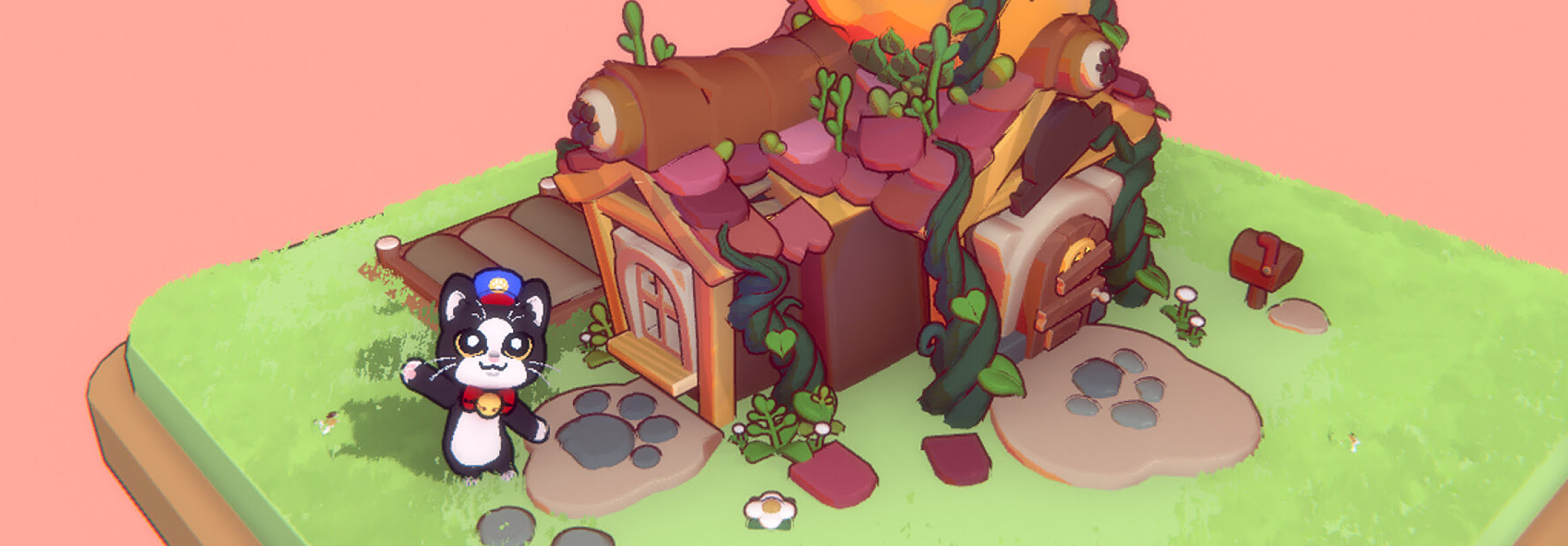
Chayenne: Right now I’ve been really enjoying Pekoe. It’s a beautifully cozy tea-making game with a warm, welcoming vibe that feels so soothing and intentional. The art style is soft and inviting, the music is calming, and the gameplay encourages you to slow down and be present, which is perfect for my mental health needs.
What makes it stand out is how it celebrates simple, meaningful interactions—preparing tea, sharing moments with adorable cat characters, and creating a peaceful atmosphere without any pressure or urgency. It shows how games can deliver comfort and joy while still feeling rich and engaging. It’s the kind of experience that lets me recharge and feel connected, and that’s exactly what I look for in stand-out titles these days.
Tess: The adorable cat characters in Pekoe is so on-brand for you—especially with everything you’ve shared about your cats and your advocacy for pet adoption. I LOVE that! Where can people connect with your content?
Chayenne: People can find me primarily on Twitch at pinkfairyblossom, where I stream a variety of cozy, fairy-core-inspired games and share uplifting conversations. My channel, The Garden, is a welcoming space where folks can feel seen and supported.
I’m also active on TikTok and Instagram where I share more of my day-to-day life, clips, behind-the-scenes moments, and little glimpses into my world. On X, you can find me at pinkfairyflower, where I post updates, thoughts, and interact with the community. Plus, I have a Discord community called Garden of Zoria, where we talk about current events, mental health, animal adoption awareness, and simply being yourself and feeling seen. It’s a warm, open space for meaningful conversations and connection.
If you want a soft, inclusive corner of the internet filled with kindness, cozy vibes, and kitty lore, that’s where you’ll find me!
Tess: Chayenne, thank you so much for this wonderfully delightful chat! I’ve enjoyed getting to know you, listening to you talk about The Garden, and learning about your path to becoming a content creator.
Nominate a Creator!
Is there a creator or streamer that you want to nominate for our community spotlight? Let us know! Join our Discord, where you’ll find a dedicated place to nominate new creators for our community spotlight.