Creator Spotlight: Lomadiah - AKA Hannah Rutherford
Featured in today's Creator Spotlight is Lomadiah, aka Hannah Rutherford, a UK-based creator and Twitch ambassador with an amazing track record of supporting charities.

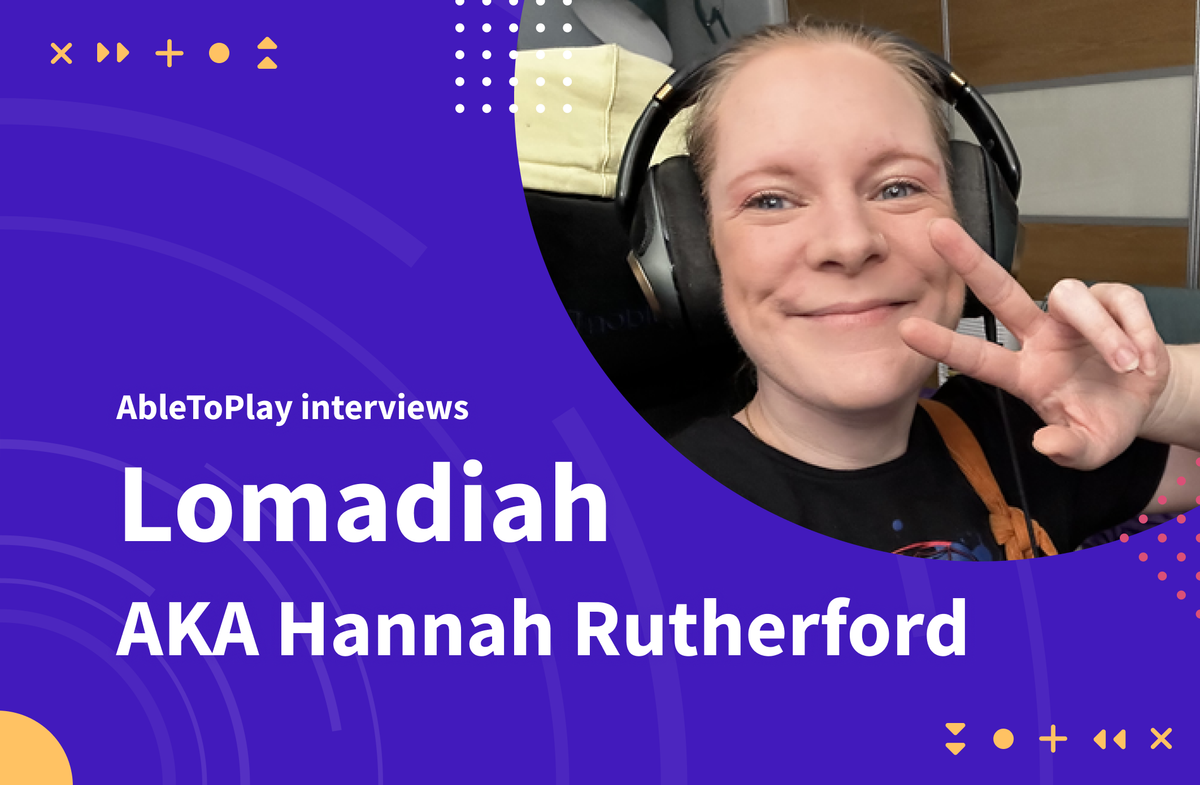
Tess: Hey there, and welcome back to the Creator Spotlight—an initiative from the team at AbleToPlay where we highlight amazing content creators in our accessible gaming community. I’m Tess (They/Them), and today we’re joined by Hannah, a multi-award winning creator better known as Lomadiah!
Hannah, you’ve got dozens of awards and contributions under your belt, have worked on over fifty launch campaigns, and collaborated with incredible organizations like Safe in Our World, SpecialEffect, and even Twitch. Can you tell us your origin story? Where did it all begin?
Hannah: Hello! I’m Hannah, or Lomadiah—she/her pronouns, and I'm a UK-based content creator and Twitch Ambassador. I've been making gaming content on Twitch and YouTube for over fifteen years, which came about from graduating straight into an economic crash; whilst I was job hunting, I was making and editing gaming content. That took off before a “conventional” job showed up, and here I am now!
Tess: The 2008 global crisis spurred a lot of “unconventional” jobs, like content creation, and freelancing. It’s hard to believe that it was less than two decades ago. Looking back, it’s incredible to see how these roles have ballooned into what we see today; almost everyone in our industry knows at least one person working in content creation or freelance. Interestingly, these “unconventional” paths are often more accessible for disabled folks. With fifteen years of experience behind you, how did you first get involved in the games accessibility community?
Hannah: I’ve been adjacent to the community for some time, due to having friends within the space, as well as long-running relationships with charities like SpecialEffect. They do amazing work to support individuals with physical accessibility needs, including customized setups, advocacy and raising awareness within the industry and general public.
More recently, I was diagnosed with ADHD, which highlighted (and answered) a lot of challenges in my day-to-day life. As is the current case with many people exploring a diagnosis of ADHD in their 30-40s, I would not have been able to receive support and guidance without others also going through this same journey and sharing those experiences. Many of these were other creators or people working within the space, so if you’re reading this: thank you.
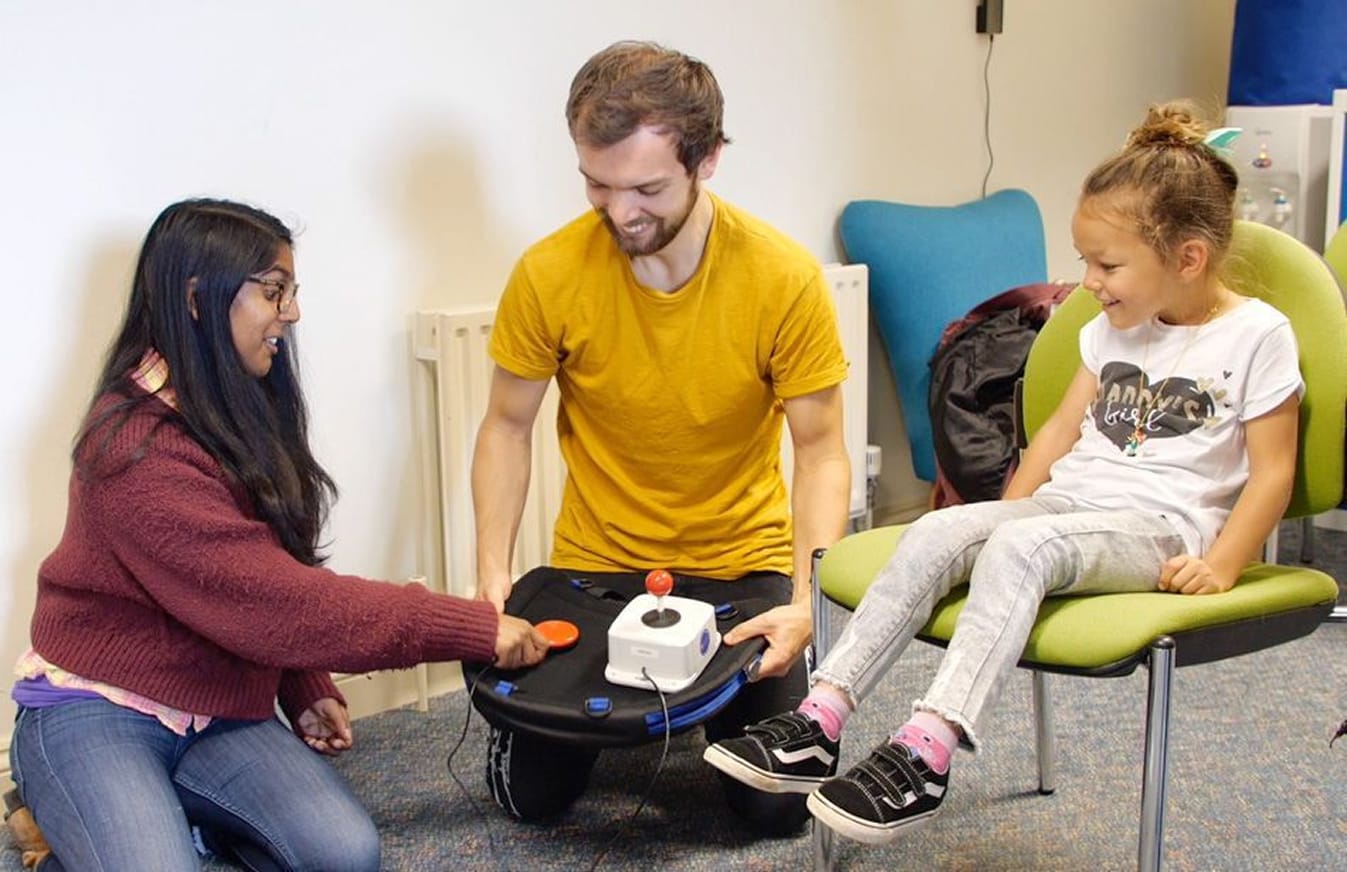
Tess: I love SpecialEffect! The entire AbleToPlay team admires them so much and we can’t overstate how grateful we are for the value and impact they bring to our community. It’s amazing to see their engineers create such thoughtful, personalized controller setups that enable people to play the games they love. That’s also why we do the work we do at AbleToPlay—to ensure no disability is ever a barrier to gaming. With that in mind, how has being diagnosed with ADHD—especially later in life—shaped your gaming experience?
Hannah: Depending on the game, the impact is different. The best way to describe what’s happening in my head to an outsider would be to compare it to a busy airport: even when it’s quiet at 3AM, there’s still many things happening at once. Games have to cut through a lot of internal noise (which usually includes at least one dance track on repeat), in order to get my brain’s attention.
Working memory is one of my biggest challenges and I struggle with holding quest objectives in my head or navigating without a map. My community is brilliant at supporting me with this; we have designated “guides” for specific games, who will provide spoiler-free information to help me amble back to where I was. I also find open world and sandbox games without any structure to be overwhelming (which can easily change to “tedious”), as it taps into the decision paralysis side of ADHD and overrides any interest in the game.
I also have audio processing issues so require closed captions for consuming media, especially in busy soundscapes (if only this worked in reality!). Whilst it can be frustrating if they’re out of sync or incorrect, I think this has on occasion improved some of my viewing and gaming experiences as it’s “forced” me to experience media with the original performances intact.
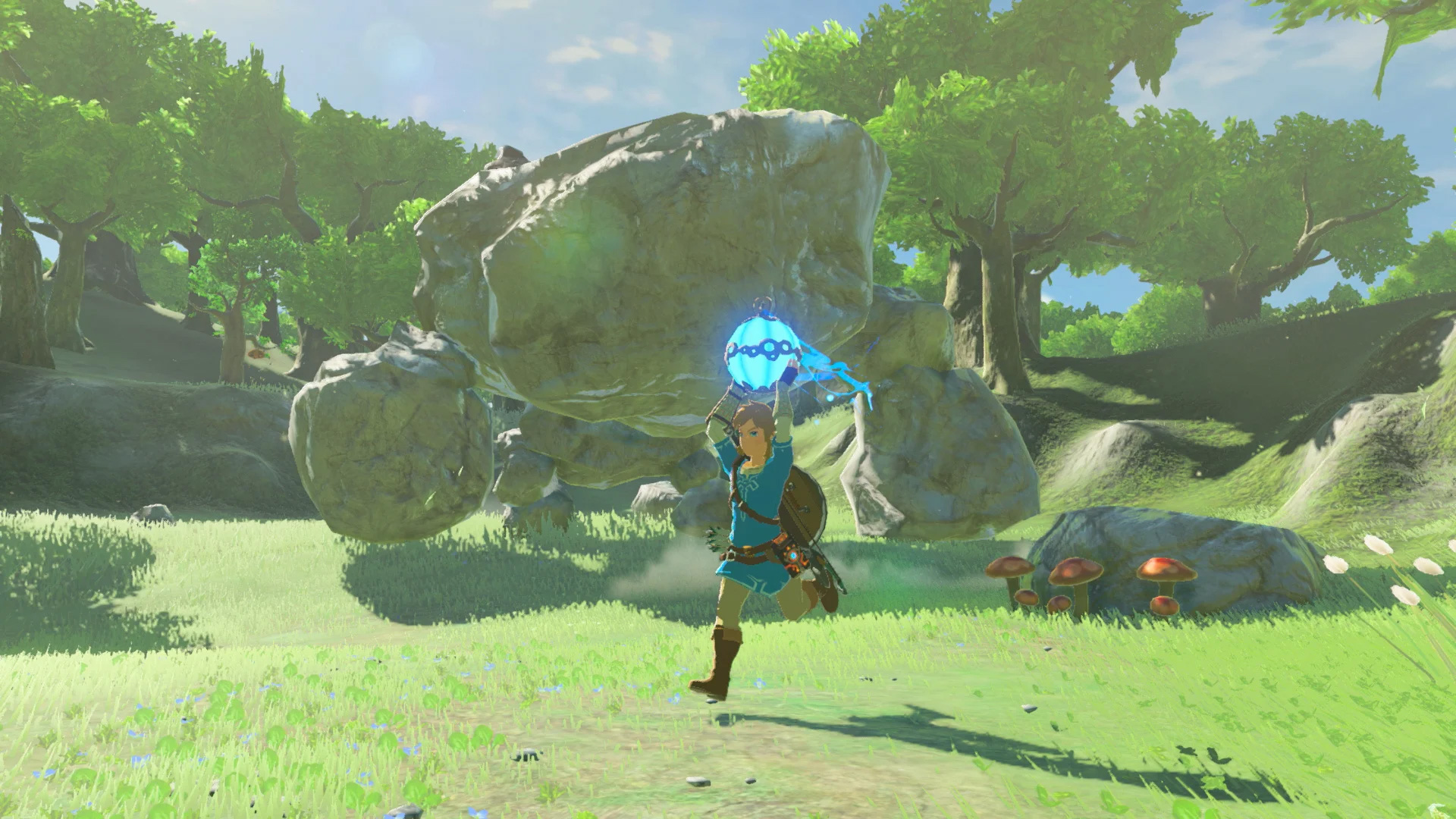
Tess: I completely empathize with what you said about open-world games. During the pandemic years, it felt like every studio wanted to capitalize on Breath of the Wild’s success by creating their own open-world title; but I’ve found many of them fail to grasp why Breath of the Wild was a landmark success. Open-world design can easily slip into player fatigue with endless quests, large empty spaces, and overwhelming systems.
What made Breath of the Wild succeed was its cognitive accessibility: it gave players true freedom, but within a gentle structure. The balance of freedom and guidance is rare, and I especially love that your community supports you in finding it! Do you feel there’s anything missing in the way people—even within your community—talk about accessible gaming?
Hannah: We talk about flashing or strobing lights and their impact on players…and then stop at vague legal disclaimers as you boot up the game. This consideration rarely seems to apply to anything outside of the gameplay; games still use opening titles for studios and PR that flash through different brightnesses and colours without warning. I can only assume that they aren’t “serious enough” to trigger a seizure, yet they can cause eye strain and migraines in players.
We know that migraines and seizures display similar neurological activity within the brain (evidence also suggests links between ADHD and increased likelihood of migraines), so why isn’t it taken more seriously as standard? Is it a lack of awareness across the industry, or it is a disregard for player comfort and safety if the effect isn’t immediately visible?
I’ve regularly experienced migraines from games deemed “safe” from seizure risks; for example, Sifu’s death screen at launch flashed black to white. Kingdom Hearts 3 had aggressively flashy and “busy” fairground rides as attack animations, which you had to use constantly in fights. I believe these have since been patched, but they should never have shipped with these visual effects as they were. There’s also the Silent Hill 2 remake, which I absolutely loved, but the screen flashes a bright red when you interact with the save icon. That contrast against a much darker colour palette was noticeably painful. If I can see it flashing through my closed eyelids, then perhaps it’s a bit much?! I ended up doing a verbal prompt for my community to look away before we saved, as several others also experienced a similar reaction but were enjoying everything else about the game.
Tess: Yes! It’s wild that so many games still don’t include disclaimers about flashing lights, and even when they do, that information isn’t accessible outside of the game itself. That’s exactly where AbleToPlay steps in. But as you said, if developers know their game could trigger seizures in epileptic players, why don’t they take real action? A disclaimer is barely a band-aid over a serious issue.
That’s why I love how you go the extra mile for your community, prompting them to look away before strobing scenes—but it also highlights the problem: accessibility shouldn’t rest on the rest on the shoulders of creators like you. It should come from the studios themselves. With that in mind, what’s a game you love that feels accessible for you, and one you’d happily recommend to your community?
Hannah: I’m struggling to think of a specific title that isn’t Balatro (haha!), but I find that many of the deck building roguelikes and roguelites do a good job with meeting my accessibility needs. This is mostly because details are written down on the cards themselves, or included in pop up tooltips. Many of them have interesting and flashy graphics without being overly high contrast, or they include toggle options to turn these down or off.
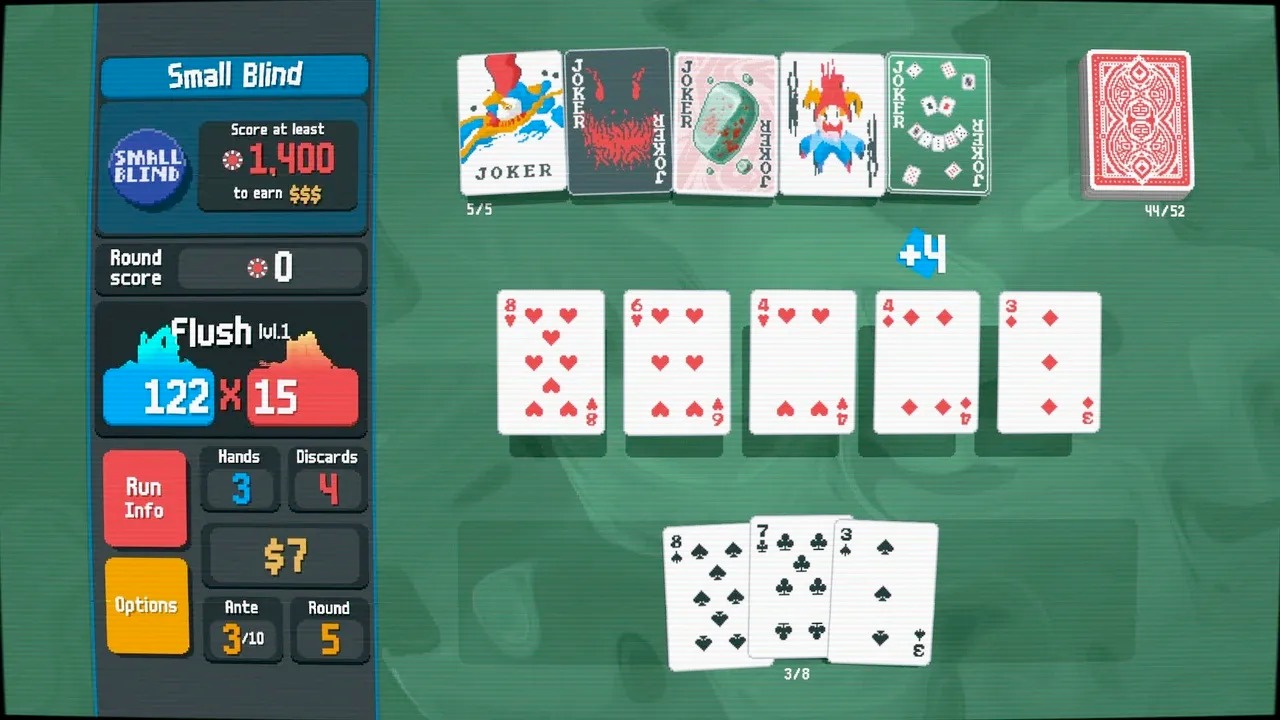
Tess: Card games are surprisingly accessible! Developers usually only get one or two lines of text per card, so they have to make the most of it. It’s kind of funny—deckbuilders already come with built-in design restrictions, which often push studios to be more thoughtful with their word choices and approach to accessibility, even if unintentionally. Are there any games—besides Balatro—that you’re playing right now that wowed you with their accessibility?
Hannah: It’s missing accessibility features that I would prefer to have, but Clair Obscur: Expedition 33 has been an absolute delight! The game is unapologetically a celebration of French culture, cinema and environmental storytelling—shout-out to the petanques!—with a fantastic soundtrack to boot.
Hannah: I really struggle with timed dodges or parries but the lower difficulty mode is forgiving enough that I can really get into the combat without repeated failure or frustration, and it means that I’m actually starting to learn the mechanics. For those of you who are tired of a fifteen minute monologue by someone you’ve just met: those don’t exist. Instead, there’s intrigue and delight from the moment you start the game, that compels you to continue.
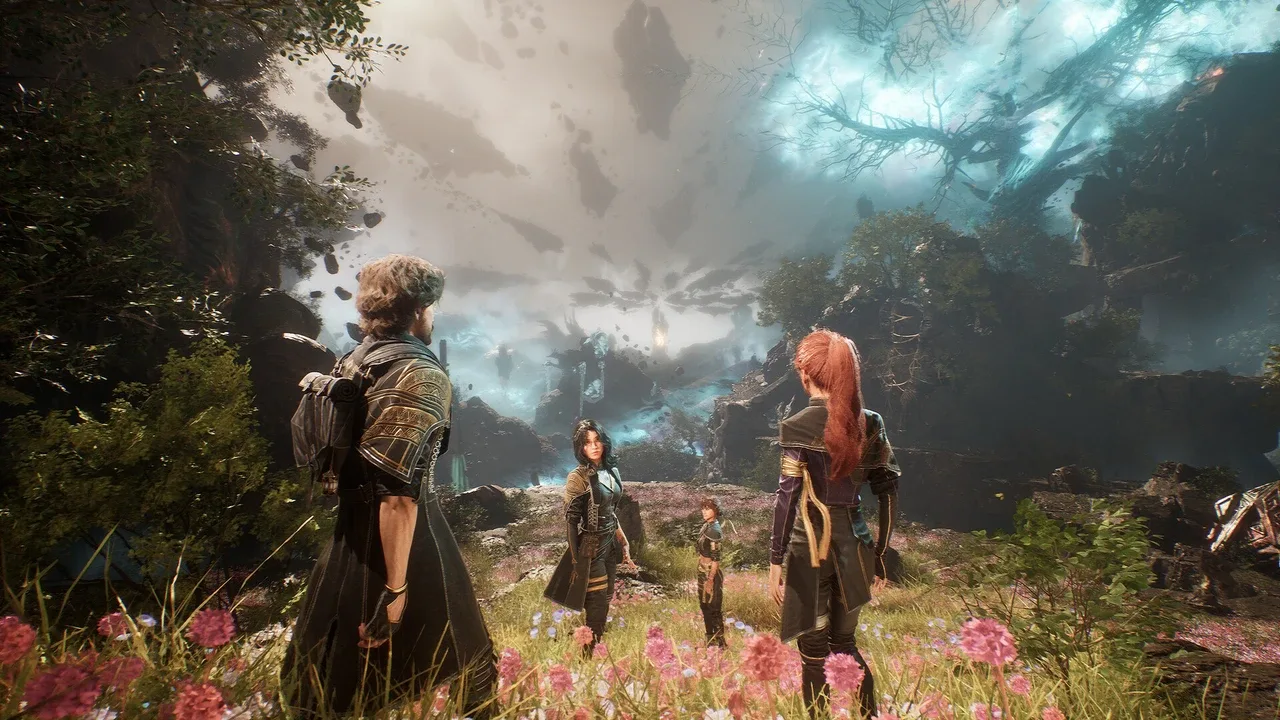
Tess: Clair Obscur: Expedition 33 has received nothing but rave reviews this entire year, especially for its storytelling and its masterful approach to JRPGs. Could it be a Game of the Year contender? Also—we are out of time. Hannah, thank you so much for joining us and sharing a bit of your day, especially while raising a new puppy! I’ve loved seeing photos of Bramble on your BlueSky. Where else can people connect with you (and Bramble)?
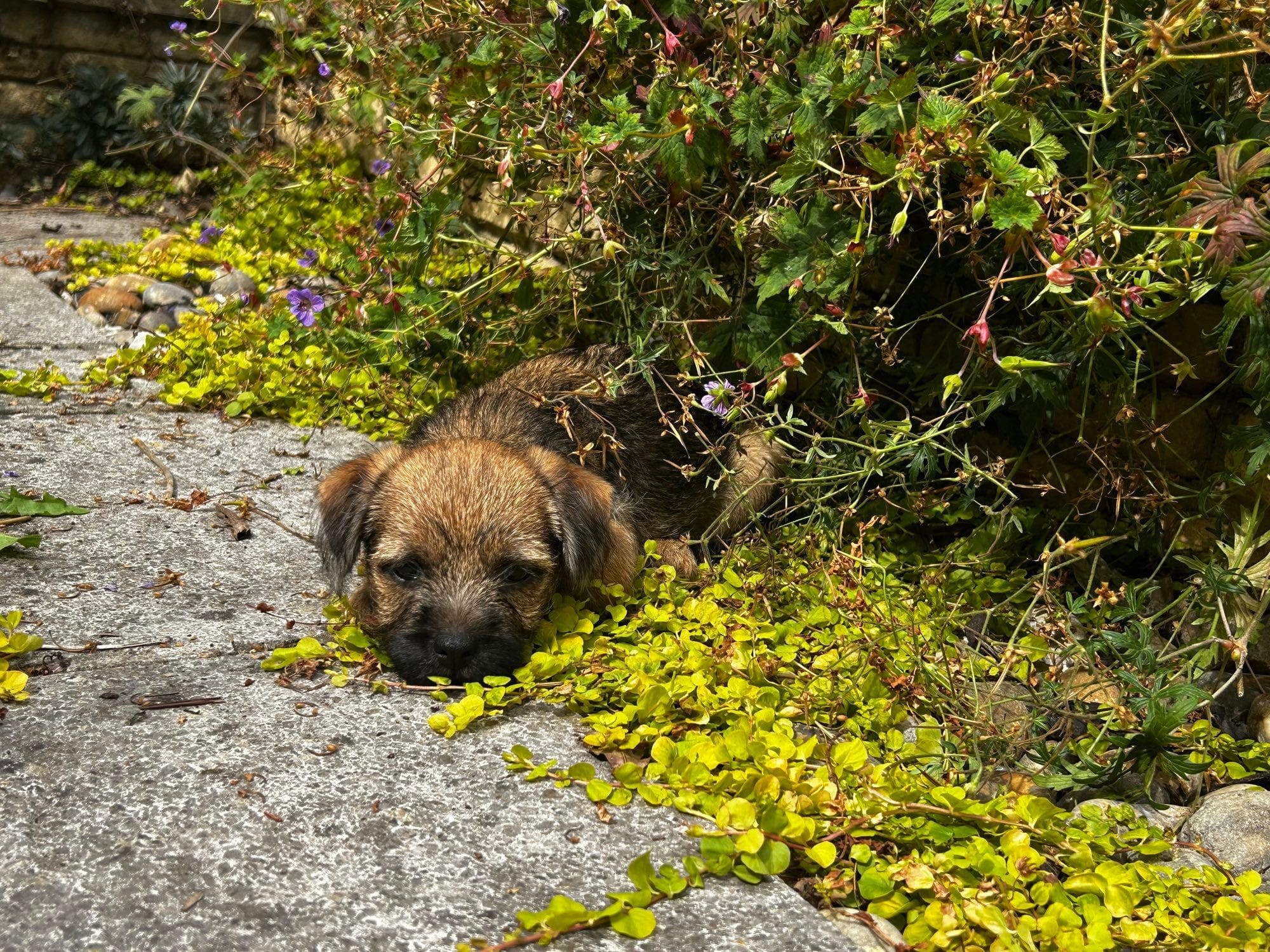
Hannah: You can find me on Twitch at twitch.tv/lomadiah or on BlueSky at https://bsky.app/profile/lomadiah.bsky.social - drop a follow and say hi!
Tess: Thank you so much for this wonderful chat, Hannah! Tell Bramble we said hi!
Nominate a Creator!
Is there a creator or streamer that you want to nominate for our community spotlight? Let us know! Join our Discord, where you’ll find a dedicated place to nominate new creators for our community spotlight.