A Cheesin' Good Nonogram! Squeakross: Home Squeak Home
Alex and Luka, the two French developers behind the hit accessible nonogram game, Squeakross: Home Squeak Home, share their love of rodents, puzzles, and game development!

The interview has been edited for length and clarity.
Tess: Today we have Alexandre Stroukoff and Luka Lescuyer, the two-person team behind the hit nonogram game Squeakross: Home Squeak Home (abbreviated to Squeakross). The game has been nominated for The Indie Game Awards for Accessibility, and is the winner of the Games Accessibility Conference Awards for Indie Excellence and Best Cognitive Accessibility. Needless to say, Squeakross has been a smash hit with the accessibility community!
Alex and Luka, what is your story and how did the idea for Squeakross first take shape?
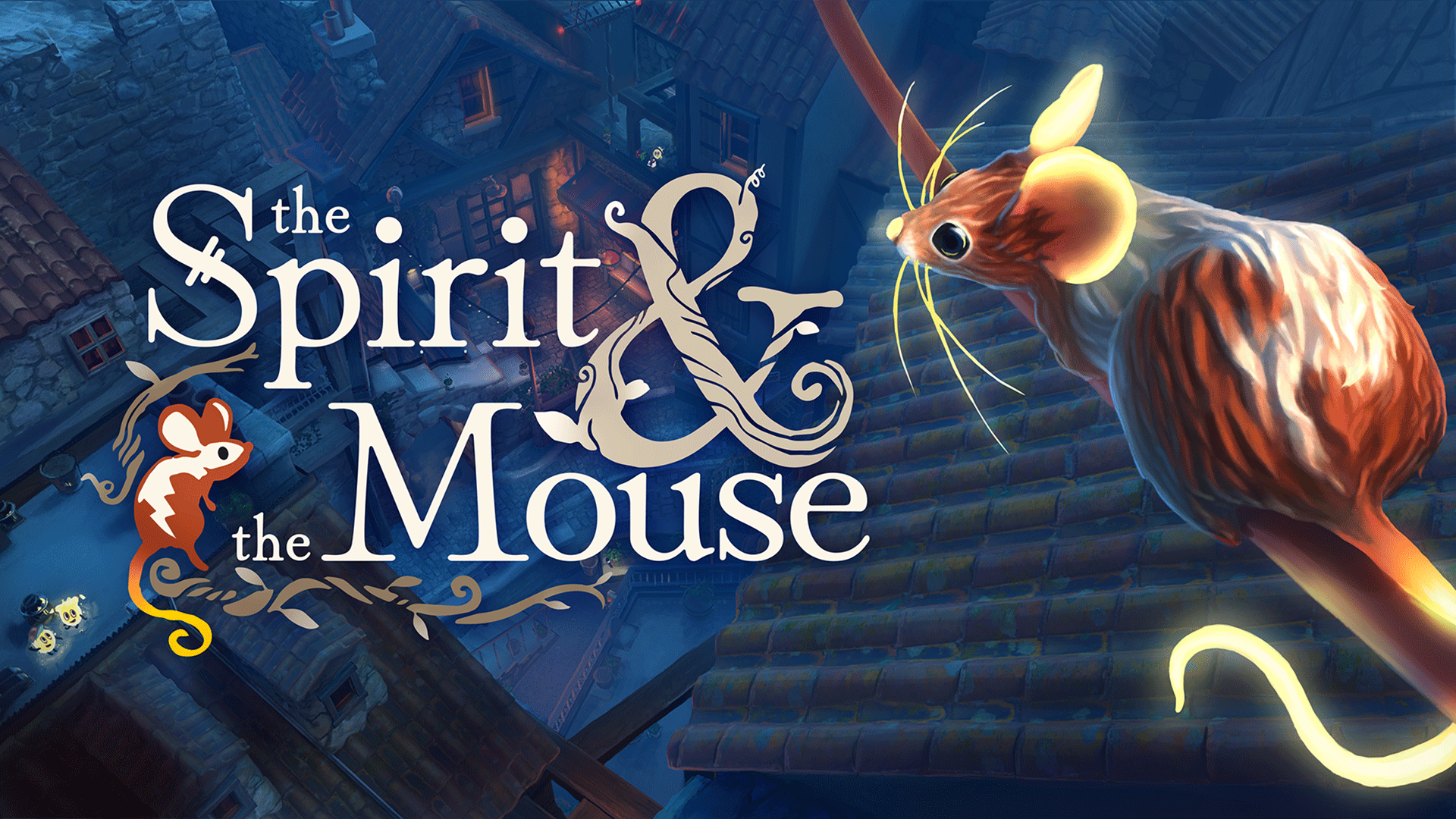
Alex: We both have been working on the game industry for more than 10 years, in France and Canada. Having worked in mobile games studios, AAA consoles games, and indie studio we have a pretty broad experience. We’ve made multiple small games and projects together for fun, and one day decided to goal bit bigger and work on our first commercial game, The Spirit and the Mouse.
After we released it, we wanted our next game to be a small free project, a The Spirit and the Mouse themed Picross, mostly for fun and to learn more about some aspects of self-publishing. But quickly it evolved into it's own thing, and became Squeakross!
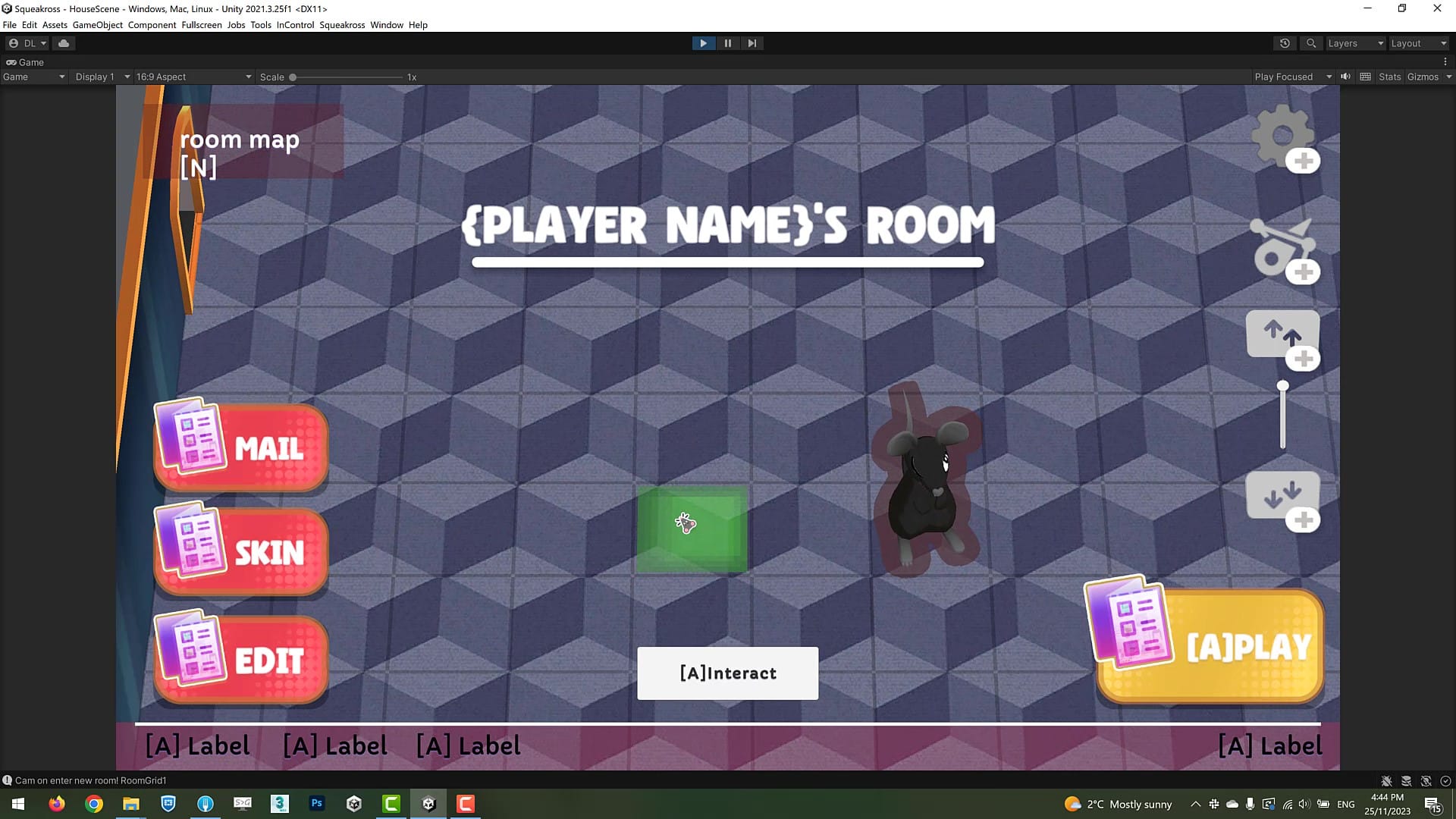
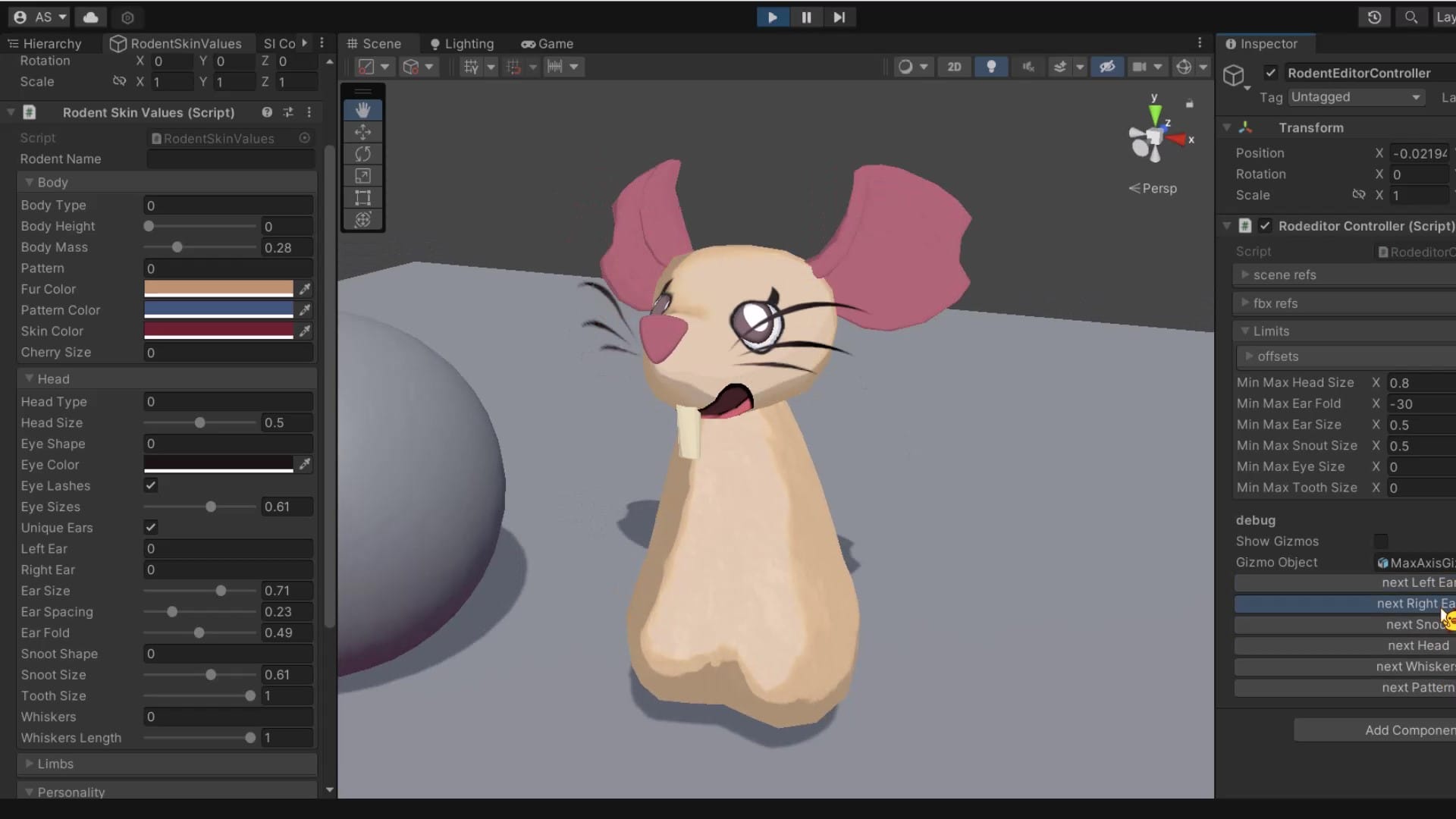
The idea of blending the puzzles with the house decoration came almost right away, as we thought giving players an actual tangible reward they can use would make solving puzzle feel more rewarding. Once we validated some core ideas by prototyping, such as how to transition from a 2D puzzle grid to a 3D model reward, and that we wanted to focus on accessibility to open up the genre for new players, we dived straight into production!
Tess: The Spirit and the Mouse is an adventure game in which you play as a mouse named Lila, who explores the French village of Sainte-et-Claire at night. The progression from Spirit to Squeakross is easy to see: Spirit featured puzzle elements with Lila restoring light to the village, while Squeakross goes all-in on puzzles. For our readers, can you explain what a nonogram game is, and how you became attached to mice as the face of both games?
Alex: Nonograms (or “Picross”) games are a type of logic puzzle, where players use hint numbers to find which grid cells are filled. Filling the correct cells also reveal an image! In Squeakross, we twist a bit this concept by having each puzzle represent a 3D model (or part of it), instead of a pixel art image.
Everything is rodent-themed because...we love rodents, haha! We’ve had gerbils for years, and share alove for rodents in general (rats, hamsters, mice, degus...)! They were already the inspiration for our previous game, and will probably continue to be for all the next ones!
Luka: About the blend in genre: I personally love puzzle games, especially nonograms, but I often find myself tired after solving a few of them. I wanted to create a space for players like me. When you’re done with the thought-heavy part, but still want to stay in an environment you like and do something more relaxing!
Tess: Speaking of creating a relaxing atmosphere after completing a challenging puzzle, what accessibility features does Squeakross offer, and how did you decide which ones to include?
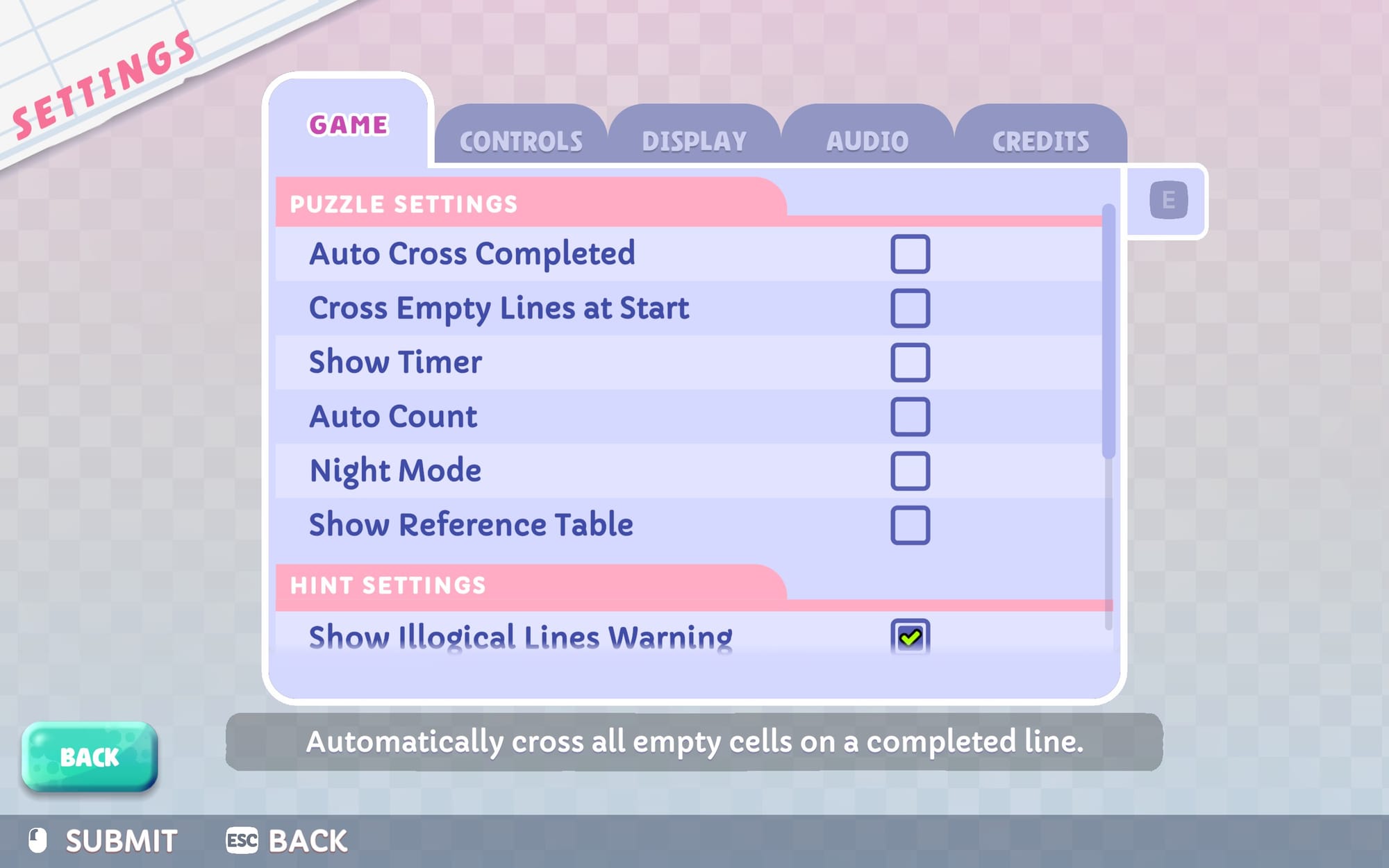
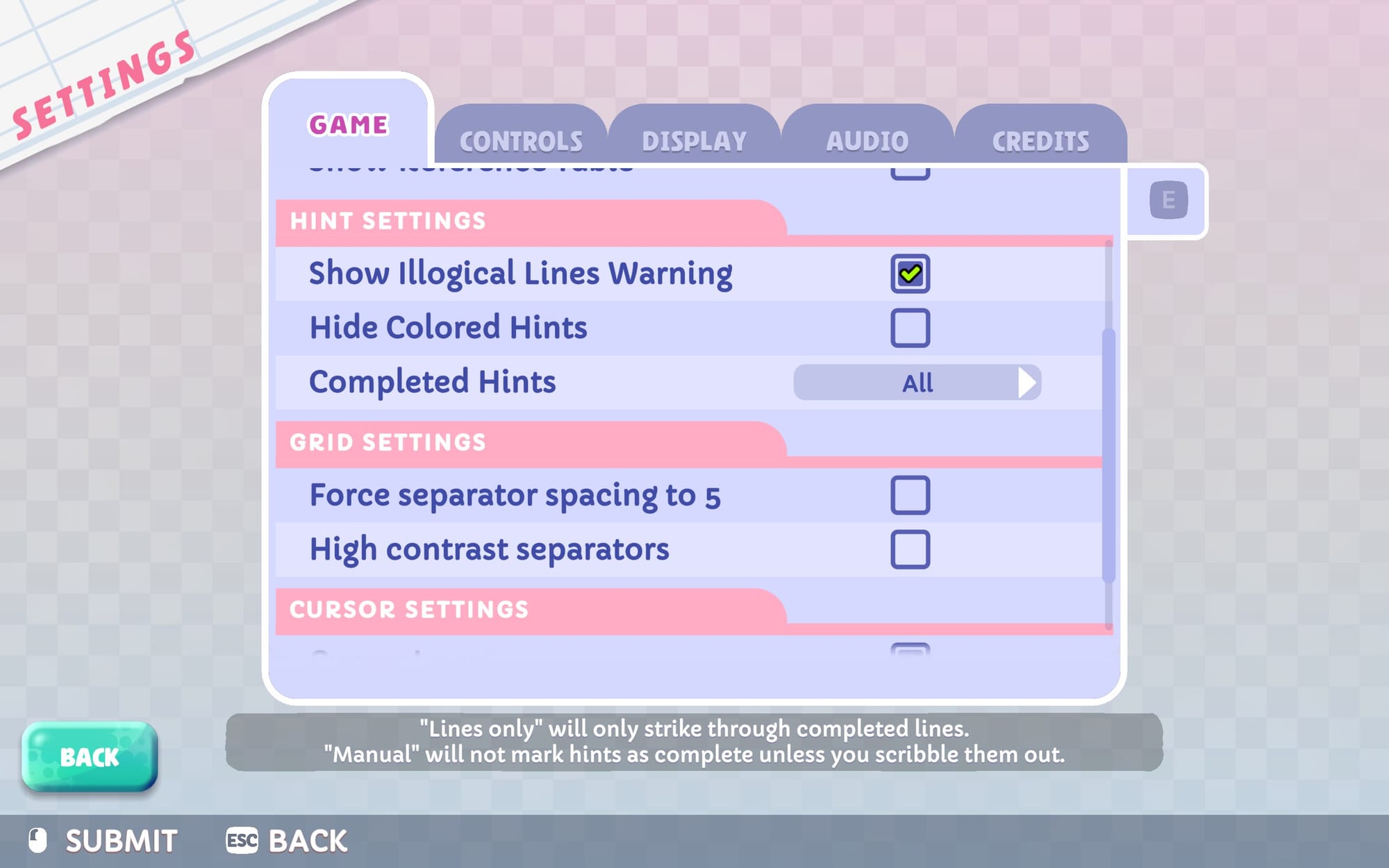
Alex: We designed Squeakross with accessibility in mind right from the core gameplay and early development. More than specific features, we wanted to design the game to be as accessible as possible from the core.
We took some time analyzing all other nonogram games, and this study, combined with our own experiences as players, helped us inform decisions to take on how to make this genre of game more accessible. We firmly believe a lot of things put under the “accessibility” umbrella are still “game design”. The more accessible the game is, the broader the audience. Of course this doesn’t apply to all games/genres, but we tried our best with Squeakross.
Luka: From the start we designed it for players who never touched a nonogram in their life, and by addressing some arbitrary conventions of the genre (ex: timer, loose conditions, etc) and making the experience as relaxing and friction-less as possible. This is what we wanted our game to be: a relaxing puzzle game. We started with a list of all things we disliked from our player perspective but also gathered player’s feedback after sharing a public demo online prior to the game’s release!
Alex: But we also wanted to make sure that nonogram “experts” can still enjoy the game, so it was a balance of how far to go, and balancing “accessibility” with what some player would consider “cheating”. In some case, when a design decision contradicted too much how experienced players think a nonogram should be, we allowed them to customize the game to their liking by adding options.
Tess: I’m told you partnered with the accessibility consultants at Games Accessibility Hub for Squeakross. How did that collaboration begin, and what was the most valuable part of working together?
Squeakross: Home Squeak Home © 2025 Alblune
Alex: We met them during a meeting at a game developer forum. After talking with them we realized that we were really aligned in how we see accessibility, and saw a lot of value in working with them.
Luka: It was a great experience for us. Because we’re not disabled, we have a rough idea of what's needed to accommodate certain types of players, having an external point of view from various disabled gamers is incredible. As well as making sure we didn’t overlook basic things from our UI, etc..
Tess: In addition to partnering with the Games Accessibility Hub, you’re still a two-person development team at the end of the day, and I’m sure that comes with its own unique challenges! What was the process like working as a two-person team?
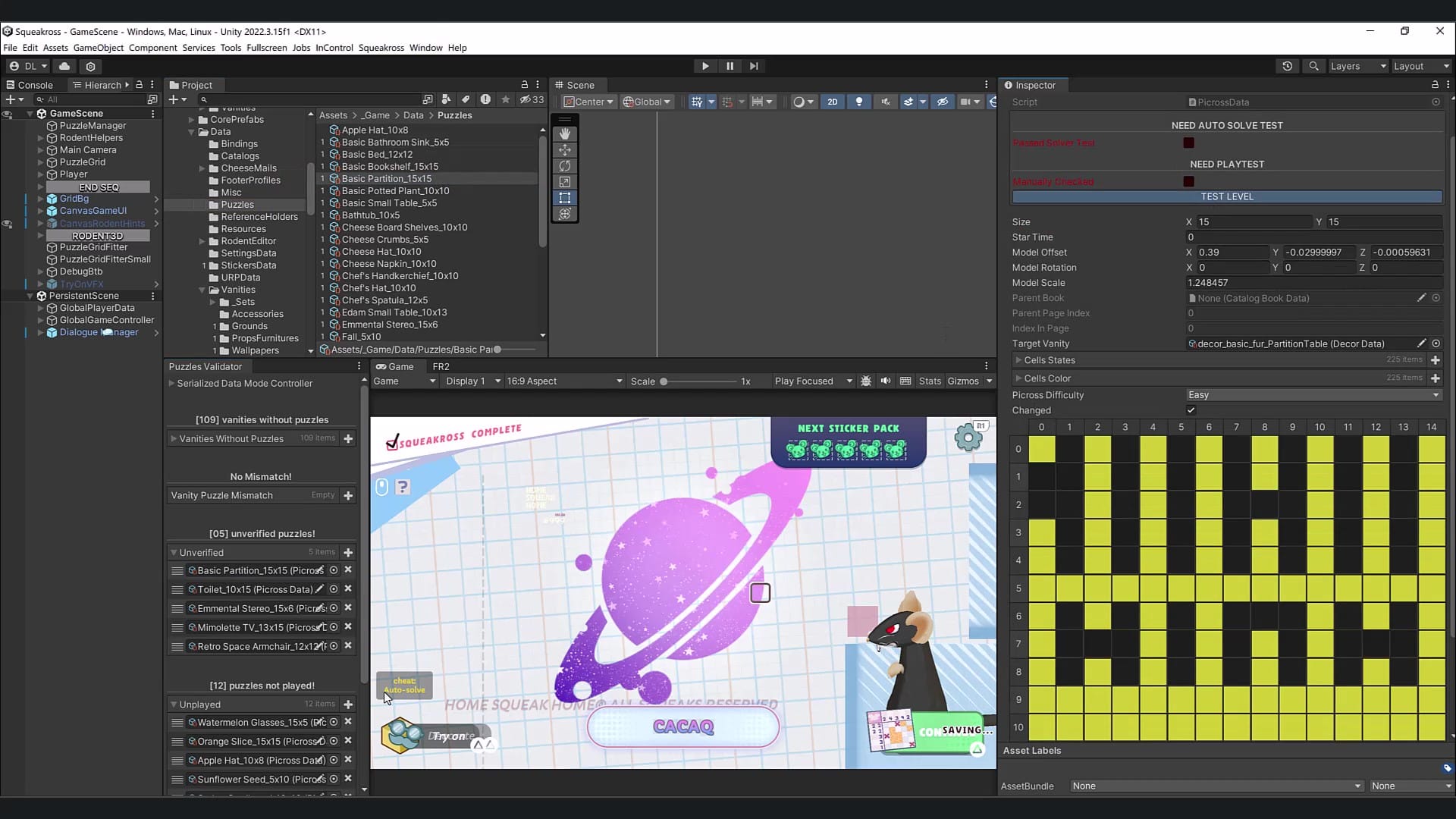
Luka: We already worked together on many different projects, Squeakross was our second big one under our company’s name Alblune. It’s honestly a very chill process for us, we have a very organic but structured way of working: we both have our own areas, Alex is on the programming side and I’m on the art side, but we share all the rest of the work and decisions are always on mutual accord.
I can’t think of one particular challenge that stuck out. In the highlights, I think sharing our demo and seeing how much people liked it was a great highlight for me! We were able to confirm we were going in the right direction.
Tess: And what about early development? Was there a moment when Squeakross's gameplay "clicked", or was it a more gradual evolution?
Luka: I would say it was a gradual evolution! We combined two already known genres together so we knew it was going to work, it was mostly about making sure we were doing it right.
Alex: Yeah it was a very gradual progress. We were really surprised when we released our first public demo in December 2024 and had such great feedback. We were not expecting it!
Tess: That's fantastic! Receiving positive feedback from playtesters and the community is always a bright moment for developers, especially if they approach a release date with anxiety – which is completely normal!
But more than that, you’ve talked about what you both get out of creating games like Squeakross and The Spirit and the Mouse, showing your love for both rodents and puzzles. At the end of the day, what do you hope players take away from their time with Squeakross?
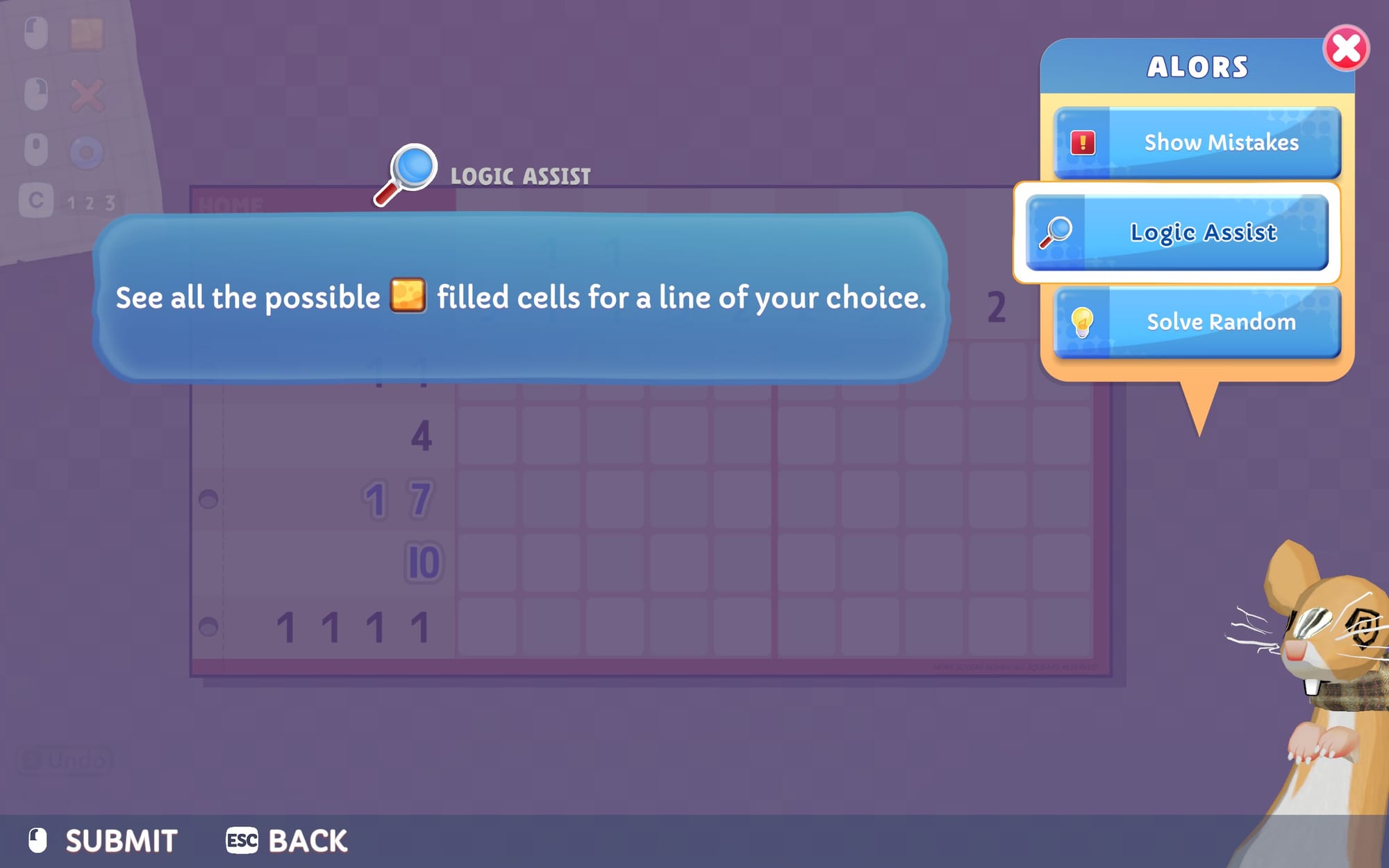
Luka: That it’s okay to use tools to facilitate your game experience!
Another thing that is a bit hidden in the in-game messaging system, is how Nini and her brother Nono are selflessly helping other rodents to access housing and furniture for free. I know they’re fictional characters in a video game, but I love to include selfless characters helping others in need in our games. Even if it’s a small gesture you’re extending to someone else, spreading that kind of positivity in our communities is what makes everyone’s life a little bit better! I hope to inspire others to do the same in their lives.
Alex: That there is no shame in using hints to help you in a puzzle games. Sometime you’re just tired or feel stuck and you need a bit of help and it’s fine.
Tess: With thousands of glowing Steam reviews, multiple award nominations, and a successful Nintendo Switch launch, what has the game’s success felt like on a personal level?
Alex: The game success on Steam was really unexpected! It’s still doing great, and we’re continuing to work on it to thanks players, and because we’re still having a lot of fun! To be transparent, we’re not seeing amazing numbers on Switch, but hopefully updates and a free demo will help :).
On a personal level, it’s really rewarding for us to see that all of our effort on accessibility helped. We knew that nonograms were a niche puzzle, but we firmly believed that there were (and still are) many ways to open that genre with proper tutorials and accessibility.
One of the most rewarding thing is seeing players saying that they finally understand picross, thanks to Squeakross! Or that Squeakross was their first nonogram game, and that they are now exploring other games. We want Squeakross to be people’s first nonogram, and maybe inspire them to check many of the other great nonogram games like Picross, Logiart Grimoire, Piczle Cross: Story of Seasons, Murder by Number.
Tess: Puzzle games are my favorite genre! I'll definitely be checking out the suggested games! Pizcle Cross looks especially fun! Now – what's next for Ablune after such a meteoric rise? Any future updates planned, or is this the end of Squeakross?
Luka: For now we’re wrapping our next big free content update! We haven’t announced a date yet but it’ll be soon. We may do another update after that, we’ll see.
We have many ideas for future games, so it only is a matter of when, haha!
Join the conversation!
Looking for an inclusive community of gamers who love accessibility? Join our Discord! Meet the team behind AbleToPlay, chat about accessible games, and even learn what goes into making games as accessible as possible.